Products

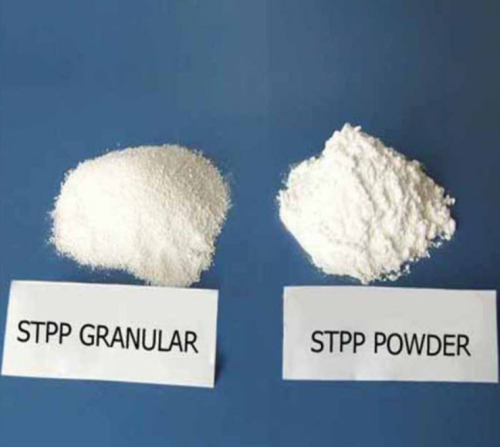
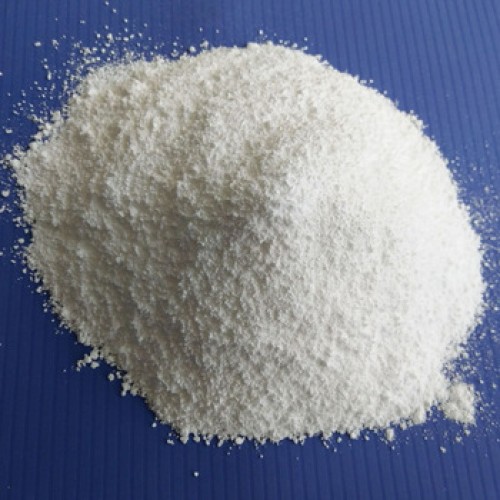
Potassium Carbonate

Potassium carbonate (K₂CO₃) is a compound among potassium salts and is commonly known as “soda ash”. It is a white, odorless powder and easily dissolves in water. It is used in various industrial applications. Potassium carbonate is used especially in glass production, soap making, textile industry and agriculture.


The main areas of use are:


Glass Production: Potassium carbonate is used to lower the melting temperature of glass.


Soap Making: It is used in soap making thanks to its alkaline properties.


Agriculture: It is used to regulate the pH balance of the soil and provide a source of potassium.


Chemical Industry: Used in the production of other chemical compounds, especially potassium salts. Additionally, potassium carbonate is also used as an acidity regulator and pH regulator in some food products.
potasyum hidroksit

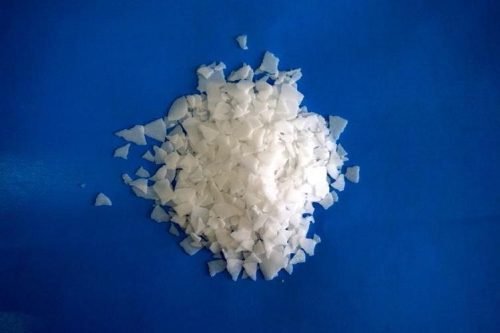
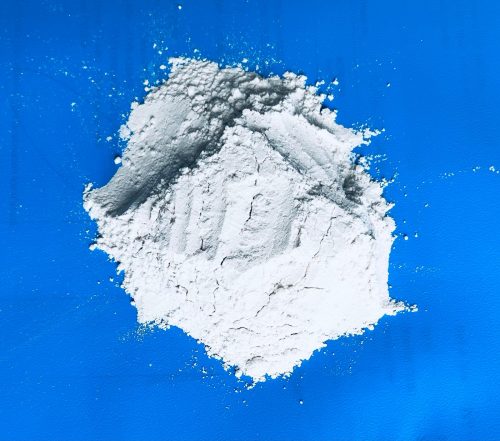
Potassium Hydroxide

Potassium hydroxide (KOH), also known as caustic potash, is a strong alkali and a white, crystalline compound that releases hydroxide ions (OH-) when dissolved in water. It is often used in industrial processes, cleaning products and chemical syntheses.


Potassium hydroxide is commonly used in:


Chemical Syntheses: Used in the production of potassium salts and other chemical compounds.


Cleaning Products: It is a strong base that can dissolve especially oils and greasy dirt. Food Industry: Potassium hydroxide is used to adjust the pH balance of some foodstuffs.


In laboratories: Used to neutralize acidic solutions and make pH adjustments. Potassium hydroxide is a strong base and can cause burns when it comes into contact with the skin, so it should be used with caution.

potasyum sülfat

Potasyum Sülfat

Potassium Sulfate (K₂SO₄) is a compound containing potassium and sulfur and is usually found in a white crystal form. This compound, whose chemical formula is K₂SO₄, is widely used especially in the fertilizer industry because it is an important source of potassium for plants.


Potassium sulfate is used in the following areas:


In Agriculture and Fertilization: Potassium sulfate provides sulfur as well as potassium, two important nutrients required for the healthy growth of plants. It is especially used in fruit and vegetable cultivation.


Chemical Industry: Potassium sulfate is used in some chemical processes and products. For example, it may be involved in the production of glass, detergents, and some pharmaceutical compounds.


Processing and Other Applications: Potassium sulfate may also be involved in some industrial processes and processing areas. Potassium sulfate is a more preferable fertilizer source for some sensitive plants and soils, especially since it does not contain chloride. Chlorine can be toxic to some plants, so chlorine-free potassium fertilizers (for example, potassium sulfate) are more suitable for such situations.

stpp

SODIUM TRIPOLYPHOSPHATE

Sodium tripolyphosphate (Na₅P₃O₁₀) is a compound that contains a phosphate group and is commonly found as a white crystalline powder. Chemically, tripolyphosphate is a compound formed by the combination of three phosphate units.


Sodium tripolyphosphate is used, especially in the following areas:


Detergents and Cleaning Products: Sodium tripolyphosphate is a compound that increases the effectiveness of detergents by reducing water hardness. It also helps dissolve dirt and grease. For this reason, it is commonly used in laundry detergents, dishwashing detergents, and general cleaning products.


Water Treatment and Industrial Applications: Sodium tripolyphosphate is used to reduce water hardness. It can also be used in some industrial processes, such as in the cleaning of metal surfaces or assisting in painting processes.


Food Industry: Sodium tripolyphosphate can be used as a preservative and binder in some food products (such as seafood, meat, and dairy products). It can also help improve water retention capacity, keeping products fresher for longer.

Cosmetic Products: It can be used in skincare products and shampoos to balance the pH and improve the stability of formulations. However, excessive use of sodium tripolyphosphate can cause environmental impacts since phosphates can lead to water pollution and eutrophication, which can harm aquatic ecosystems. Therefore, it is important to control its usage.

Our other products:

– POTASSIUM NITRATE,

– MONOAMMONIUM PHOSPHATE (MAP 12:61),

– POTASSIUM CHLORIDE, INDUSTRIAL,

– CALCIUM CHLORIDE 95%, PELLETS,

– CALCIUM NITRATE,

– SODIUM NITRATE,

– METHYLENE CHLORIDE,

– SODIUM LIGNOSULFONATE,

– NONILFHENOL ETHOXYLATE 4/6/8/9/10,

– POLYETHYLENE GLYCOL (PEG200/300/400/600/1500/4000/6000),

– LAURYL ALCOHOL (C12-14) ETHOXYLATE 2/7/9,

– MONOETHANOLAMINE.